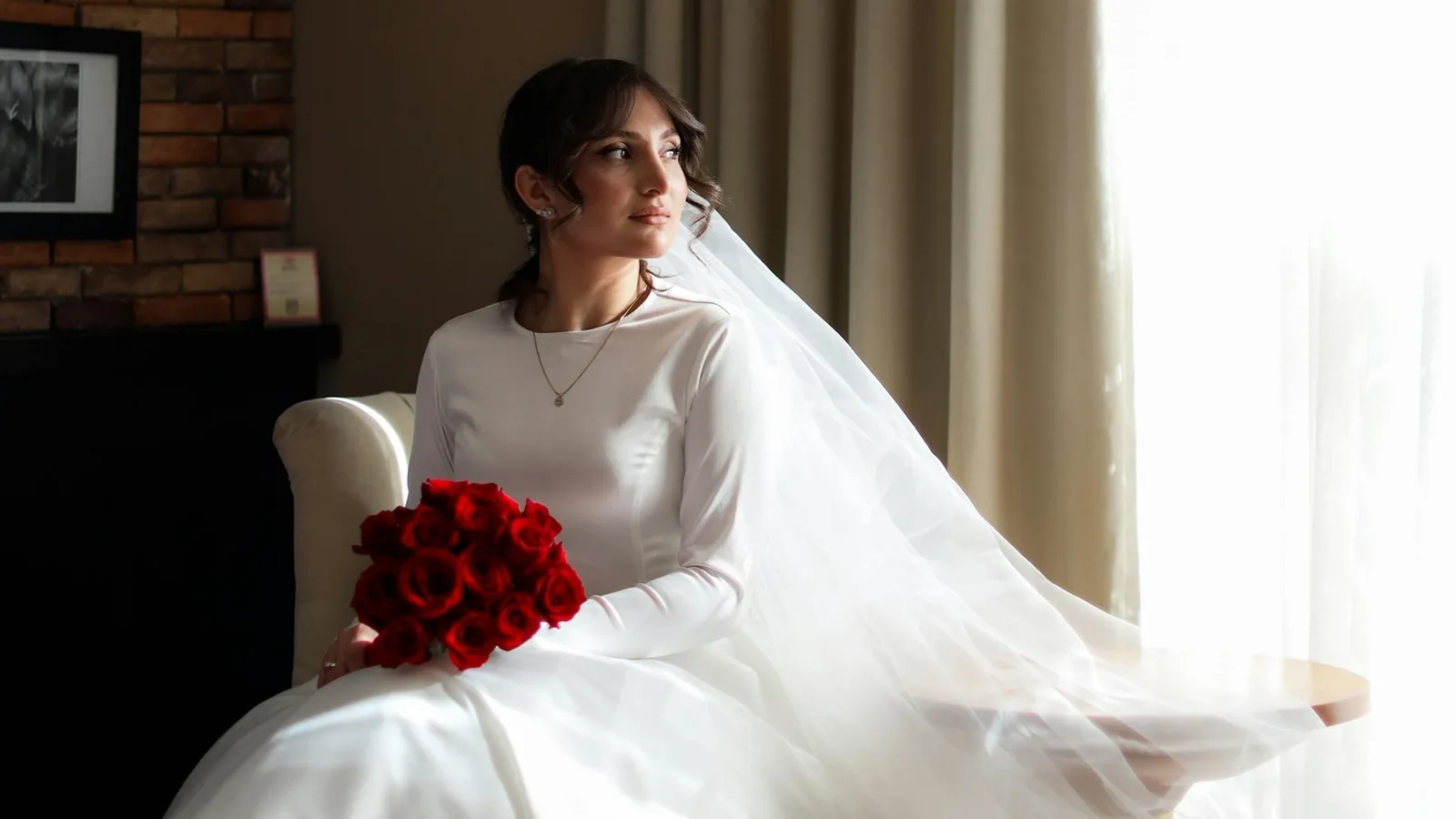
Finding your wedding dress is one of the most memorable moments of the planning process, but finding the dress and wearing it perfectly on your wedding day are two different things. The distance between them is almost always filled by alterations.
Very few brides wear a wedding dress straight off the rack without any adjustments. The nature of bridal sizing, the variety of body shapes, and the precision that a formal gown demands all but guarantees that some level of alteration will be needed. Understanding what that process involves, how long it takes, and what to expect at each stage removes a significant source of anxiety from an already full planning calendar.
Here is everything you need to know.
What Are Wedding Dress Alterations?
Wedding dress alterations adjust a bridal gown after purchase so it fits the bride properly and looks its best on the wedding day.
Alterations range from minor adjustments — taking in a seam, shortening a hem — to more extensive structural changes involving the bodice, boning, or built-in support. Some brides need only one or two small tweaks. Others require a more comprehensive fitting process that addresses multiple areas of the gown across several appointments.
The goal is always the same: a dress that fits so well it feels made for you, moves with you naturally, and holds its structure and beauty throughout the entire day.
What Types of Alterations Do Most Brides Need?
Most brides need at least one of the following, and many need a combination of several:
Hemming. The most common alteration of all. Wedding dress hems are typically cut long to accommodate a range of heights, which means most brides need the hem shortened to the right length for their height and chosen shoes. This is particularly important for dresses with trains, where the length affects both appearance and practicality throughout the day.
Taking in or letting out the bodice. Bridal sizing varies by designer, so most dresses are ordered in the closest size rather than an exact fit.Taking in or letting out the bodice, side seams, or back panels brings the fit precisely to the bride’s actual measurements.
Bustle creation. For dresses with a train, a bustle lifts and secures the fabric for the reception, allowing the bride to move freely. Plan the bustle carefully and discuss it during the first fitting.
Strap and neckline adjustments. Straps that slip, necklines that gap, or strapless bodices that don’t hold their position through movement are common issues that alterations address directly.
Waist and hip adjustments. This matters especially when a dress’s proportions don’t match the bride’s. Bridal sizes use standard measurements that rarely fit every body perfectly.
Adding or adjusting support structures. Built-in boning, cups, and internal support elements sometimes need reinforcing, repositioning, or adding entirely to ensure the dress holds its shape and keeps the bride comfortable through a long day.
Sleeve and back adjustments. Sleeves that are too long, backs that gap at the zipper or buttons, or closures that don’t sit flat are all standard alteration territory.
When Should You Start the Alteration Process?
Start earlier than you think you need to. This is the most consistent advice given by every experienced bridal professional, and it is consistent because it is consistently necessary.
Most alterations specialists recommend beginning the process three to four months before the wedding date. This allows time for an initial fitting and assessment, the alterations themselves, one or two follow-up fittings to check the work and make any final adjustments, and a final fitting close to the wedding day to confirm everything is exactly right.
For brides whose dresses involve complex alterations, heavily beaded or embroidered fabric, or multiple structural changes, starting even earlier, at four to six months out, gives the process the space it needs without creating pressure on either side.
At San Diego Wedding Dress Cleaners, we recommend booking your first alteration appointment as soon as your dress arrives. Waiting until a few weeks before the wedding is the most common alteration mistake brides make, and it is the one most likely to result in rushed work or limited options for corrections.
How Many Fittings Will You Need?
Most brides need between two and four fittings, depending on the scope of the alterations required.
A typical alteration process at San Diego Wedding Dress Cleaners looks like this:
First fitting. The bride tries on the dress so the team can assess the fit. They identify, discuss, and mark each needed adjustment. This appointment sets the plan for the work ahead.
Second fitting. After the initial alterations, the bride tries on the dress again to check the fit. Minor changes may be nearly finished at this stage, while more extensive alterations may require further adjustments.
Third fitting, where needed. Any remaining refinements are completed and checked. At this stage the dress should be very close to its final fit.
Final fitting. A final appointment close to the wedding date ensures everything fits perfectly. We press the dress and make sure it’s ready, so the bride feels confident on her wedding day.
How Much Do Wedding Dress Alterations Cost?
Alteration costs vary depending on the complexity and scope of the work involved. A simple hem shortening costs significantly less than a comprehensive series of structural adjustments across the bodice, waist, and train.
What matters more than the cost of any individual alteration is understanding the full scope of what your dress needs before you begin, so there are no surprises along the way. At San Diego Wedding Dress Cleaners, we assess the dress thoroughly at the first fitting and explain what it needs and what it will cost before we begin.
As a general orientation, brides should budget between $150 and $800 for alterations, with the majority of dresses falling somewhere in the middle of that range. Heavily embellished gowns, dresses requiring significant structural changes, and designer pieces with complex construction sit toward the higher end.
What Should You Bring to Your First Fitting?
A few practical things make the first fitting more productive and more accurate:
The shoes you plan to wear on the day. Heel height affects hem length directly, and alterations made without the correct shoes may need to be redone. Bring the actual shoes, not a similar pair.
Your undergarments. The fit of a wedding dress is affected by what is worn underneath it. Bring the specific undergarments, shapewear, or bra you plan to wear on the wedding day.
Any accessories you are considering. A veil, a belt, or a statement necklace can affect how the dress sits and looks at the neckline. Bringing these to the fitting allows the alterations specialist to account for them.
Someone whose opinion you trust. A second set of eyes from someone who knows you well and will give you an honest perspective is genuinely useful during fittings.
Why Have Your Alterations and Cleaning Done Together?
At San Diego Wedding Dress Cleaners, we offer both alterations and professional cleaning under the same roof — and there is a practical reason to use both together.
A dress altered, cleaned, and pressed by the same team arrives in the best possible condition. Any marks from fittings, alterations, or storage can affect the gown’s appearance, so the team removes them before the final fitting. They then press and finish the gown so it looks its best when you put it on before walking down the aisle.
It is also simply more convenient. One relationship, one location, one team that knows your dress and its history from the moment it arrived through to the moment it is ready for your wedding day.
Your Dress, Your Fit
A wedding dress that fits perfectly is one of those details that photographs beautifully, feels extraordinary to wear, and requires no management or adjustment throughout the day. It simply works, quietly and completely, in the background of a day that deserves your full attention.
That is what alterations make possible. And at San Diego Wedding Dress Cleaners, it is what we are here to help you achieve.
Like this article?
Share on Facebook
Share on Twitter
Share on Linkdin
Share on Pinterest